Email Security Service: Your Ultimate Guide to Protection
In an era where digital correspondence forms the backbone of corporate communication, securing one’s email ecosystem has transcended beyond a mere recommendation to an absolute necessity. With cyber threats evolving at an unprecedented rate, organizations are finding themselves in a constant battle against schemes aimed at data exfiltration, making the adoption of robust email security services a critical step towards safeguarding sensitive information.
This type of security service is designed to offer a multifaceted protection strategy, encompassing everything from advanced threat detection to encryption, in order to combat the sophisticated tactics employed by cybercriminals. Recognizing the dire consequences of data breaches, businesses are now prioritizing the integration of these services to ensure the integrity and confidentiality of their email communications.
Understanding the Essentials of Email Security Services
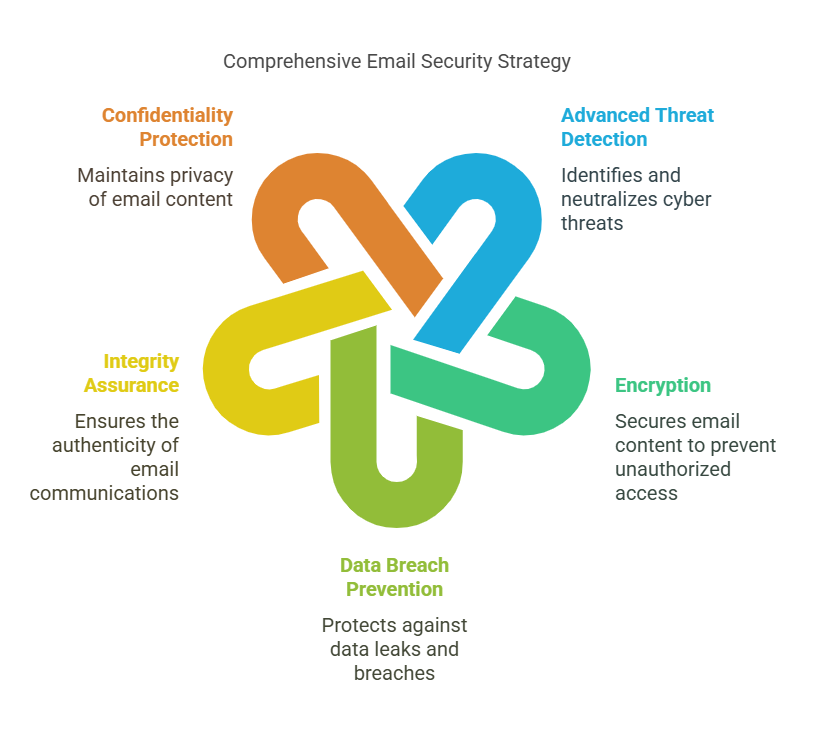
At its core, an email security service is engineered to protect against a wide range of cyber threats, including the perilous act of data exfiltration. Through a combination of cutting-edge technologies and strategic protocols, these services strive to fortify email systems against unauthorized access and misuse.
The Increasing Importance of Email Security Solutions
As the digital landscape becomes increasingly perilous, the importance of email security solutions cannot be overstated. With email being a primary vector for cyberattacks, businesses and individuals alike are facing heightened risks of data breaches, identity theft, and financial loss. In response, the demand for comprehensive email security solutions that can effectively thwart these risks has skyrocketed, highlighting the crucial role these defenses play in today’s cybersecurity ecosystem.
Key Features That Define Top-Notch Email Security
Advanced Threat Prevention Techniques
Top-tier email security encompasses advanced threat prevention techniques, leveraging AI-powered protection to offer real-time threat detection. This approach allows for the identification and neutralization of advanced threats before they can infiltrate the network, underscoring the pivotal role of innovative technology in contemporary cybersecurity measures.
Email Encryption: A Non-Negotiable for Data Protection
Email encryption stands as a cornerstone of data security, ensuring that sensitive information remains inaccessible to unauthorized parties. In conjunction with security policies and content filtering, encryption addresses the stringent regulatory requirements governing data protection, thereby playing a crucial role in the defense against data breaches and cyber espionage.
Comprehensive Phishing and Malware Defense
The relentless rise in phishing emails and malware necessitates a comprehensive defense strategy, integrating sophisticated malware detection systems to scrutinize incoming messages for malicious intent. By effectively identifying and blocking these threats, businesses can significantly reduce their vulnerability to cyberattacks, safeguarding their assets and reputation.
Incident Response: Preparing for When Things Go Wrong
Despite the most robust defenses, incidents can occur, making a well-prepared incident response plan an indispensable component of email security. This plan ensures that, in the event of a breach, measures are promptly taken to mitigate damage, assess system vulnerabilities, and restore normal operations, thereby minimizing the impact on the organization.
Comprehensive Solutions for Email Threat Prevention
Addressing the multifaceted nature of email threats requires a comprehensive solution that integrates advanced threats detection, AI-powered protection, and real-time threat detection. This holistic approach is critical for organizations aiming to maintain a secure and resilient email ecosystem amidst the evolving cyber threat landscape.
AI-Powered Email Security Services: Beyond Traditional Defenses
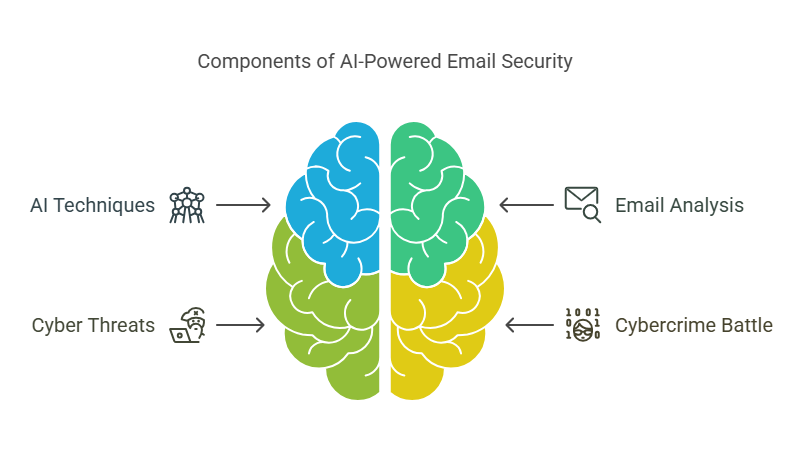
AI-powered services offer a significant advancement over traditional defenses, employing sophisticated email analysis techniques powered by artificial intelligence. These systems are adept at identifying and neutralizing even the most cunning cyber threats, representing a quantum leap forward in the ongoing battle against cybercrime.
The Role of Secure Email Gateways in Modern Cybersecurity
Secure email gateways serve as a critical bulwark in modern cybersecurity strategies, filtering incoming email traffic to remove spam, malicious content, and other undesired communications. By scrutinizing every message that enters the network, these gateways play a pivotal role in maintaining the integrity and security of email communications.
Cloud-Based vs. AI-Enhanced Email Security: A Comparative Overview
In the realm of email security, both cloud-based and AI-enhanced solutions offer distinct advantages in combating malicious messages. The choice between them hinges on specific organizational needs, including scalability, real-time defense capabilities, and the sophistication of threats faced.
The Flexibility and Scalability of Cloud-Based Solutions
Cloud-based email security solutions are celebrated for their flexibility and scalability, accommodating the dynamic needs of email systems amid evolving threats. These solutions not only provide robust defense against email-based attacks but also ensure that security measures grow in tandem with the organization.
The Advanced BEC Defense Offered by AI-Enhanced Services
AI-enhanced email security services excel in defending against Business Email Compromise (BEC) attacks, utilizing cutting-edge technology to identify and neutralize sophisticated schemes. By analyzing communication patterns and identifying anomalies, these services offer an unparalleled level of protection against one of the most insidious threats in today’s cybersecurity landscape.
Navigating Through Types of Email Security Services
In the diverse ecosystem of email security services, organizations are confronted with a range of options designed to mitigate potentially malicious activities and protect against malicious emails. Understanding the nuances of these services is essential for selecting the solution that best aligns with specific security requirements and threat landscapes.
From Secure Email Gateways to API-Based Protection
The transition from traditional secure email gateways to API-based protection represents a significant evolution in the fight against cyber threats. Secure email gateways have long been the bulwark against spam filtering and malicious content, diligently monitoring email traffic to safeguard users. However, API-based protection has emerged as a more dynamic solution, offering real-time, automated defenses that adapt to the constantly evolving landscape of email-based threats. This approach not only enhances the ability to detect sophisticated phishing attempts but also ensures a more granular control over email security, catering to the specific needs of modern organizations.
Email Data Protection (EDP) and Its Significance

Email Data Protection (EDP) is critical in today’s digital age, where data breaches are increasingly common. EDP safeguards sensitive information by enforcing security policies, content filtering, and meeting regulatory requirements. This ensures that an organization’s email communications are secure, protecting against data leaks and unauthorized access. Furthermore, EDP plays a pivotal role in maintaining data security, crucial for compliance and preserving client trust. By implementing EDP, businesses can significantly mitigate the risk of data exposure and enhance their overall security posture.
The Evolution and Impact of Email Encryption Services
Email encryption services have undergone significant evolution, transforming from simple, optional tools into essential components of email security strategies. This evolution reflects the growing awareness of the risks associated with unsecured email communications. Today, email encryption not only secures the contents of an email but also verifies the identity of the sender, ensuring that sensitive information remains confidential and tamper-proof during transit. The impact of these services has been profound, significantly reducing the incidence of data breaches and enhancing privacy in digital communications.
Why API-Based Email Security Solutions Stand Out
API-based email security solutions stand out for their flexibility and ability to seamlessly integrate with existing email infrastructures. Unlike traditional methods that act as external barriers, API-based solutions work from within, offering a more nuanced approach to detecting suspicious emails and phishing attempts. This allows for real-time scanning of email content, providing immediate protection without the latency associated with traditional security measures. The direct integration with existing email systems enables a more comprehensive and effective defense mechanism, setting API-based solutions apart in the realm of email security.
Deployment and Integration: Making the Right Choice
Choosing the right deployment and integration strategy for an email security solution is paramount. It requires a delicate balance between robust security measures, such as advanced email security and real-time scanning, and the need to meet compliance requirements. The right solution must seamlessly mesh with existing email systems, ensuring that phishing attempts and suspicious emails are intercepted without disrupting the flow of legitimate communications. This balance is crucial for maintaining an optimal level of security while also ensuring the smooth operation of business communications.
Evaluating Your Email Security Service Deployment Options
When evaluating email security service deployment options, organizations must consider the nature of their email traffic and the specific threats they face. The decision between on-premises, cloud-based, or hybrid solutions depends on various factors, including the need for scalability, control over data sovereignty, and the ability to protect against advanced email security threats. Each option presents its own set of advantages and challenges, making it essential for businesses to assess their unique requirements and security goals before making a decision. This careful evaluation ensures that the chosen solution aligns with the organization’s overall cybersecurity strategy.
Ensuring Seamless Integration With Your Existing Tech Stack
Seamless integration with the existing tech stack is crucial when implementing a new email security solution. Security vendors play a pivotal role in this process, offering tools and services designed to complement and enhance existing systems. The goal is to create a cohesive security environment where new and existing solutions work in harmony, minimizing compatibility issues and ensuring efficient operation. This not only streamlines the security management process but also maximizes the effectiveness of the overall cybersecurity framework, safeguarding against emerging threats without adding undue complexity.
Reviewing Compliance Requirements: A Critical Step
Reviewing compliance requirements is a critical step in selecting an email security solution. Every industry faces unique regulatory demands, from healthcare’s HIPAA to the financial sector’s GLBA. A comprehensive email service must not only protect against cyber threats but also ensure that all communications comply with these stringent requirements. Failure to do so can result in severe penalties and loss of reputation. Therefore, businesses must diligently assess their compliance needs and choose solutions that offer robust security while adhering to relevant regulations.
Assessing the Resources Needed for Optimal Operation
Assessing the resources needed for the optimal operation of an email security system is vital for its success. This includes evaluating the human, technological, and financial resources required to maintain and manage the system effectively. Organizations must consider the expertise of their security teams, the compatibility of the new system with existing infrastructure, and the budgetary constraints that may impact the choice of solution. A thorough assessment ensures that the selected email security service not only meets the organization’s security needs but is also sustainable and effective in the long term.
Selecting the Right Email Security Service for Your Needs
Selecting the right email security service requires a nuanced understanding of the organization’s specific needs and challenges. This involves considering factors such as the volume and nature of existing email traffic, the sophistication of potential phishing attempts, and the need for advanced email security features like real-time scanning. A tailored approach ensures that the chosen solution effectively addresses the unique threats faced by the organization, providing comprehensive protection against suspicious emails and other cyber threats without compromising the efficiency of email communications.
Keys to Choosing an Effective Email Security Solution
Choosing an effective email security solution hinges on several key factors. These include the ability to detect and neutralize phishing attempts, the integration capabilities with existing email systems, and the provision of real-time scanning for suspicious emails. Additionally, the solution should offer advanced email security features that can adapt to evolving cyber threats. Organizations must carefully evaluate these criteria to ensure that their chosen email security solution not only meets their current security needs but is also scalable for future requirements.
Discovering the Right Email Security Plan for Your Industry
Discovering the right email security plan requires an in-depth understanding of the specific threats and regulatory requirements pertinent to one’s industry. This involves a careful assessment of the types of cyber threats most commonly faced, such as phishing attacks or advanced malware, and the level of data protection required by industry standards. By aligning the email security solution with these industry-specific needs, organizations can ensure robust protection against targeted attacks, safeguarding their sensitive data and maintaining compliance with regulatory mandates.
Frequently Asked Questions About Email Security Services
Frequently asked questions about email security services often revolve around their ability to offer comprehensive protection against a wide range of cyber attacks. Queries may include the effectiveness of AI-powered email security in preventing email-borne attacks, the role of managed XDR in enhancing protection, and how security awareness training can bolster defenses. Additionally, questions may delve into the capabilities of advanced algorithms and malware protection in identifying and neutralizing threats. Addressing these questions helps demystify the complex landscape of email security, guiding organizations in their quest for robust cybersecurity solutions.
The Definitive Guide to Understanding Advanced Email Protection
Understanding advanced email protection involves grasping the nuances of combating cyber threats through sophisticated means such as advanced threat protection and email threat protection solutions. These technologies are designed to identify and mitigate not only known threats but also unknown threats that conventional security measures may overlook. A comprehensive protection solution integrates these advanced mechanisms to provide a robust defense against the ever-evolving landscape of cyber threats, ensuring the security of digital communications.
How AI and Machine Learning Are Revolutionizing Email Security
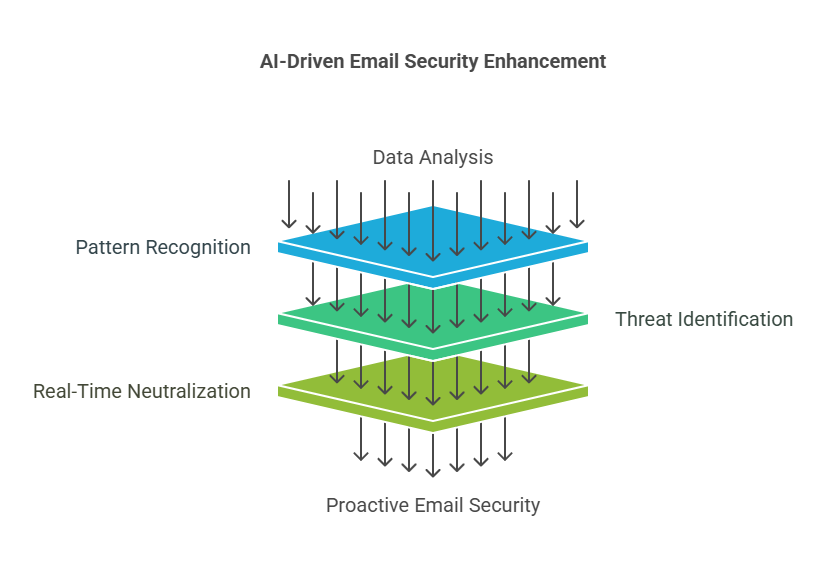
AI and machine learning are revolutionizing email security by enhancing anti-phishing capabilities, allowing for the identification and neutralization of threats in real-time. These technologies learn from vast quantities of data to recognize patterns associated with phishing attempts and other malicious activities. By continuously adapting to new threats, AI and machine learning ensure that email security systems remain at the forefront of cyber defense, providing dynamic, proactive protection against the sophisticated tactics employed by cybercriminals.
The Importance of Advanced BEC Defense in Today’s Cyber Landscape
In the digital age, the sophistication of cyber threats, particularly Business Email Compromise (BEC), has elevated the need for advanced defense mechanisms. BEC attacks, which often involve the impersonation of executives or trusted partners, can lead to significant financial losses and data breaches. The complexity of these schemes means traditional security measures are often insufficient, necessitating a shift towards more nuanced and intelligent solutions capable of identifying and mitigating such targeted threats before they can cause harm.
Crafting a Definitive Email Cybersecurity Strategy Guide
Developing a robust email cybersecurity strategy is imperative for organizations to protect themselves against an ever-evolving threat landscape. This strategy should encompass a comprehensive approach, including the deployment of cutting-edge technologies for detecting phishing, implementing stringent access controls, and educating employees on the importance of cybersecurity hygiene. By adopting a multi-layered defense mechanism, organizations can significantly reduce their vulnerability to malicious attacks, ensuring the integrity and confidentiality of their email communications.
Essential Steps to Fortify Your Email Security Posture
Strengthening your email security posture involves a series of critical steps, beginning with a thorough assessment of current vulnerabilities and potential cyber threats. This process includes the adoption of advanced anti-phishing tools and regular security audits to identify and rectify weaknesses in the system. Additionally, implementing robust data protection policies and ensuring that all users are aware of best practices for email security can dramatically reduce the risk of malware attacks and other cyber threats, safeguarding sensitive information from unauthorized access.
Best Practices for Preventing Email Attacks and Ensuring Data Security
To mitigate the risk of email attacks and enhance data security, organizations should adopt a set of best practices that include the use of advanced anti-phishing solutions and the implementation of strong password policies. Regular training sessions for employees on recognizing and responding to phishing attempts are crucial. Furthermore, the integration of end-to-end encryption for email communications ensures that data remains protected, both in transit and at rest, significantly reducing the likelihood of unauthorized access and ensuring compliance with data protection regulations.
Conclusion: Elevating Your Email Security With Confidence
In conclusion, navigating the complex landscape of email security requires a proactive and comprehensive approach. By embracing advanced email security solutions, organizations can protect themselves against email-based threats and targeted attacks. Leveraging the insights from the Forrester Wave on endpoint protection and adopting strategies for detecting phishing, businesses can build a resilient cybersecurity posture that adapts to the evolving nature of threats, ensuring the confidentiality, integrity, and availability of their email communications.
The Path Forward: Embracing Advanced Email Security Solutions
The path forward for organizations looking to bolster their defense against sophisticated email threats involves embracing advanced email security solutions. By integrating cutting-edge technologies such as AI and machine learning for detecting phishing and sophisticated threats, businesses can stay ahead of attackers. The adoption of solutions offering impersonation protection and advanced BEC defense is critical. Additionally, the use of cybersecurity platforms that minimize false positives and efficiently scan QR codes for malicious content can significantly enhance an organization’s cybersecurity posture, ensuring robust protection against a wide array of email-based threats.
Ensuring Peace of Mind in an Era of Sophisticated Email Threats
At a time that is dominated by sophisticated threats, achieving peace of mind requires a fortified cybersecurity posture that encompasses advanced solutions for protecting against BEC attacks, impersonation, and other email-based threats. The cornerstone of this defense is the deployment of a comprehensive cybersecurity platform that not only defends against sophisticated threats but also enhances the organization’s ability to reduce false positives, ensuring that legitimate communications are not hindered. Through continuous improvement and adoption of cutting-edge technologies, businesses can safeguard their operations from the ever-present risk of cyber attacks, ensuring operational resilience and trustworthiness.
Our mail, messaging and email security providers are listed here.
Contact Us For More Information