
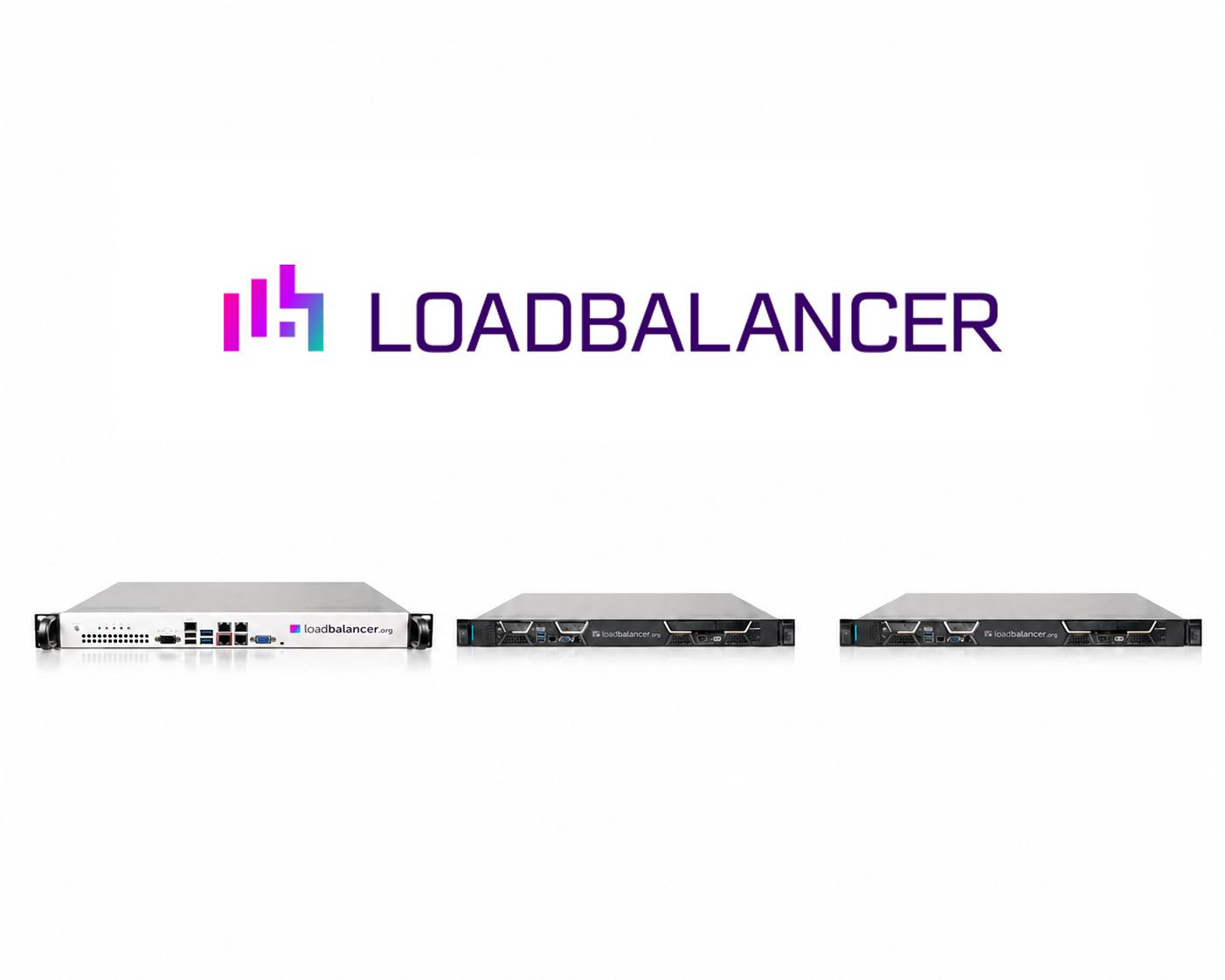
Like a number of great companies Loadbalancer.org is the result of an engineer "scratching an itch". All of their appliances are designed to deliver high performance, high-availability load balancing on great hardware with fantastic support.
This "Topic Takeaway" video discusses the many ways that health care facilities can benefit from proper load balancing, and object storage.
A load balancer looks like a traffic-distribution device until the day a server fails. Then it is the thing deciding whether anyone notices. That is the job Loadbalancer.org builds for, and their approach is deliberately unfussy: capable equipment, straightforward configuration, and support staffed by people who understand the applications sitting behind the appliance.
We size, deploy, pair, and support these appliances, tuning each deployment to the application it fronts rather than the datasheet it came with.
Some specialisms are worth knowing about, because they are the reason organizations in these sectors seek this platform out specifically.
Healthcare and medical imaging. Diagnostic imaging, PACS, and clinical record systems place demands that generic load balancing handles badly: very large studies, protocols that dislike interruption, and zero appetite for downtime during clinical hours. Loadbalancer.org has built genuine depth here, with documented support across the major imaging and clinical platforms.
Storage and object storage. Object storage platforms need traffic distributed across nodes without becoming a bottleneck themselves, and this is well-trodden ground for the platform, including alongside the storage vendors we work with.
Print infrastructure. Print servers are an unglamorous single point of failure that stops a whole floor when it fails, and this is one of the few platforms that handles Microsoft print load balancing properly.
Microsoft applications and broadcast. Exchange, IIS, and Dynamics 365 are well supported, as are the high-throughput demands of broadcast and media workflows.
Organizations are re-examining their load balancing more often than they used to, usually because a licensing model changed or a renewal arrived considerably higher than expected. If you are weighing a move off an existing platform, the practical questions are whether your application configurations translate, what the migration means for downtime, and whether the new licensing genuinely improves the position or simply moves the problem. We work through that assessment with you rather than starting from a conclusion.
We size appliances against real traffic and SSL load rather than optimistic estimates, deploy them in high-availability pairs, and configure the health checks and persistence settings each application actually needs. Getting those details right is the difference between a load balancer that fails over cleanly and one that drops sessions while it does.
Our specialists handle the certificates, the WAF policy, and the integration with your wider network infrastructure, and we stay on for the firmware and day-two changes afterwards. Where load balancing is part of a broader availability conversation, that is covered under cloud and infrastructure.